

Comprehending Driving Licenses in the Czech Republic: A Comprehensive Guide
If you're planning to drive in the Czech Republic, comprehending the process of getting a driving license or utilizing your existing license is vital. The Czech Republic, a Central European country understood for its sensational countryside, historical cities, and exceptional road facilities, has particular rules and regulations for driving. Whether you're a regional homeowner or an expatriate, here's whatever you require to learn about driving licenses in the Czech Republic
1. Obtaining a Driving License in the Czech Republic.
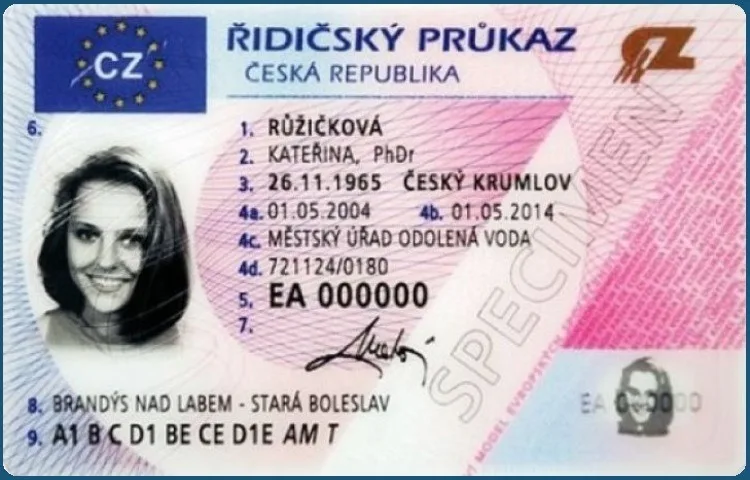
To lawfully drive an automobile in the Czech Republic, you require a legitimate driving license that abides by regional laws. The basic license for individual automobiles is described as a "řidičský průkaz" in Czech.
Eligibility Criteria:
To request a driving license, you must:
Be at least 18 years of ages for most vehicle classifications (e.g., automobile).
Hold permanent or temporary home in the Czech Republic if you're a foreign nationwide.
Pass required examinations (both theoretical and practical).
The Process:
Getting a driving license includes numerous actions:
Driving School Enrollment:
Register in a recognized driving school (autoškola). The driving course normally includes theoretical lessons on traffic laws and safety, in addition to practical driving sessions.
Medical checkup:
Before beginning your training, you'll require a medical certificate from an acknowledged doctor to confirm that you are fit to drive.
Taking the Exams:
Composed Test (Theoretical Exam): Consists of multiple-choice concerns on Czech traffic laws, road indications, and basic driving safety.
Driving Test (Practical Exam): A practical evaluation where you demonstrate your driving skills under numerous road conditions.
Receiving Your Driving License:
When you pass both examinations, you will be issued a Czech driving license by the registry workplace (dopravní úřad).
2. Categories of Driving Licenses in the Czech Republic
Driving licenses in the Czech Republic are classified into various categories depending upon the kind of car you intend to run. The common classifications include:
AM: Mopeds with an optimum design speed of 45 km/h.
A1, A2, A: Motorcycles, categorized based upon engine capability and power.
B: Passenger cars with an optimum weight of 3,500 kg and approximately 8 guest seats.
C, D: Larger vehicles, like trucks and buses.
E: Vehicles with trailers surpassing particular weight limitations.
Each classification has its age requirements, driving school curriculum, and exam requirements.
3. Exchanging a Foreign Driving License
If you already hold a driving license provided in another country, you might be able to exchange it for a Czech driving license. The process depends upon whether your license was issued within the European Union (EU) or outside of it.
For EU/EEA Citizens:
EU driving licenses are valid in the Czech Republic as long as they are not expired.
Long-term homeowners of the Czech Republic (living there for six months or more) might exchange their EU license for a Czech one but are not required to do so.
For Non-EU Citizens:
Non-EU driving licenses are legitimate for approximately 90 days for travelers or short-term visitors.
If eu führerschein tschechien fuehrerscheinn.com have a long-lasting visa or home in the Czech Republic, you should exchange your license within 6 months of moving.
You will need to send an application, pass a medical check, offer a certified translation (if needed), and perhaps take a test (depending on bilateral contracts in between nations).
A valid International Driving Permit (IDP) can be utilized temporarily, but it ought to be matched by your original license.
4. Driving Rules in the Czech Republic
Once you have actually obtained your license, it is essential to follow Czech driving rules and policies:
Drive on the Right: Vehicles in the Czech Republic drive on the right-hand side of the road.
Safety Belt are Mandatory: All travelers should wear safety belt.
Zero-Tolerance Alcohol Policy: The legal blood alcohol concentration (BAC) for motorists is 0.0%. Drunk driving is strictly prohibited.
Roadway Vignette (Dálniční Známka): A valid highway vignette is needed to utilize freeways.
Winter Tires: From November 1 to March 31, lorries need to be geared up with winter season tires if winter conditions are present.
Speed limits are as follows:
Urban areas: 50 km/h
Rural roadways: 90 km/h
Highways: 130 km/h
Failure to abide by these rules can result in large fines, charges, or perhaps suspension of your driving license.
5. Restoring or Replacing a Czech Driving License
Czech driving licenses must be renewed every 10 years, although much shorter durations may apply based upon medical conditions or age. To renew, visit your regional community workplace and provide a legitimate ID, existing license, and upgraded medical certificate (if relevant).
If you lose your license, you can apply for a replacement by submitting a lost/stolen report, completing an application kind, and paying the needed cost.
Conclusion
Driving in the Czech Republic can considerably enhance your experience of this beautiful country, providing you the flexibility to explore its picturesque paths and historic towns at your own speed. Whether you are making an application for a brand-new license or converting an existing one, make certain to follow the legal processes and adhere to regional driving laws. Safe journeys and delighted driving!